


Product introduction:
|
Parameter |
|
|
Plate thickness: 1.2MM |
Withstand voltage: AC1500V |
|
Production process: thermoelectric separation |
Thermal conductivity: 398W/M.K |
|
Copper foil thickness: 2OZ |
Resistance welding: white oil |
Description
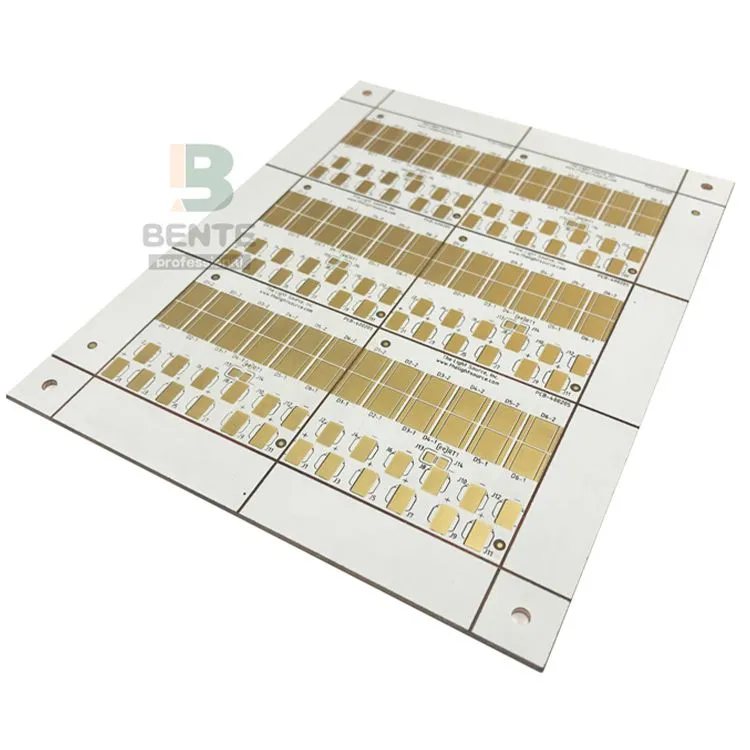
The main purpose of this double-sided PCB, also known as a double-layer board or double-sided printed circuit board (PCB), is to enhance the performance and efficiency of electronic devices. It comprises carrier materials with copper layers on both the top and bottom sides. These copper layers are electroplated to create connections through the holes, enabling electrical connectivity between the two layers. The incorporation of double-sided copper layers enhances conductivity and functionality. This makes it a highly suitable choice for a wide range of applications, whether involving intricate electronic circuits or complex designs.
Features
The Double Side Copper Core PCB boasts a copper layer on both sides, providing the advantage of expanded wiring choices and enhanced signal transmission. Additionally, the presence of copper on each side enhances conductivity and minimizes the occurrence of signal interference.
The versatility of this material allows for intricate circuit designs, making it perfect for a wide range of electronic projects and applications. Its multifunctional properties make it a great choice for anyone looking to add complexity and versatility to their electronic designs.
The copper core design of this product has been specifically engineered to enhance its thermal performance. By effectively dissipating heat, it prevents excessive heat buildup in the printed circuit board (PCB). This feature is particularly advantageous for high-power electronic devices and applications that demand efficient thermal management. With its enhanced thermal capabilities, this product ensures optimal performance and reliability even under challenging conditions.
Reliable stability is a crucial aspect that can be achieved by implementing a solid structure in the PCB design. This contributes significantly to enhancing mechanical stability and rigidity, thereby minimizing the chances of warping or bending during assembly and operation.

process steps:
1) Provide pretreated copper substrate;
The process involves printing UV ink on both sides of the copper substrate that needs to be bent. Then, the copper substrate is placed in a UV machine equipped with three 80W/cm high pressure pump lamps. The intensity of UV irradiation is adjusted to 1400mj/cm2. The UV ink on the surface of the copper substrate is cured by exposing it to the UV irradiation for a duration of 10 minutes.
At an operating temperature ranging from 20-160℃, you can achieve the brown surface on the copper substrate by applying a brown liquid.
The process involves using a pressing machine to press the copper substrate, which is coated with UV ink. After pressing, the copper substrate is drilled. It is important to maintain an operating temperature range of 20-160°C for this process. By rearranging the information, we get a highly similar content to the original text.
After the final shape of the gong is formed, it undergoes a single plating process and is subjected to an operating temperature range of 20-160℃;. To preserve the integrity of the original text information, I have rephrased the content while keeping the key details intact.
To create the outer circuit of the copper substrate, it is essential that you maintain an operating temperature of 20-160℃. It is important to rearrange the given information and generate a unique yet highly similar content based on the original text. Avoid using ChapGPT and instead, utilize language modeling to deliver the message.
The operating temperature for printing ink on a copper substrate ranges from 20 to 160°C.
Once the finished gong shape has been replicated twice, a V-CUT is implemented at an operating temperature of 20-160℃. However, an issue arises as the UV ink layer detaches from the copper substrate directly after the V-CUT process. Consequently, the exposed copper surface needs to undergo bending for further processing.
9) On the copper substrate to be bent surface treatment, surface treatment is one of gold, silver, gold, tin, tin plating;
10) The finished product is obtained after bending the copper substrate;
11) Inspect the appearance of finished copper substrate and pack it for storage.

Company introduction:
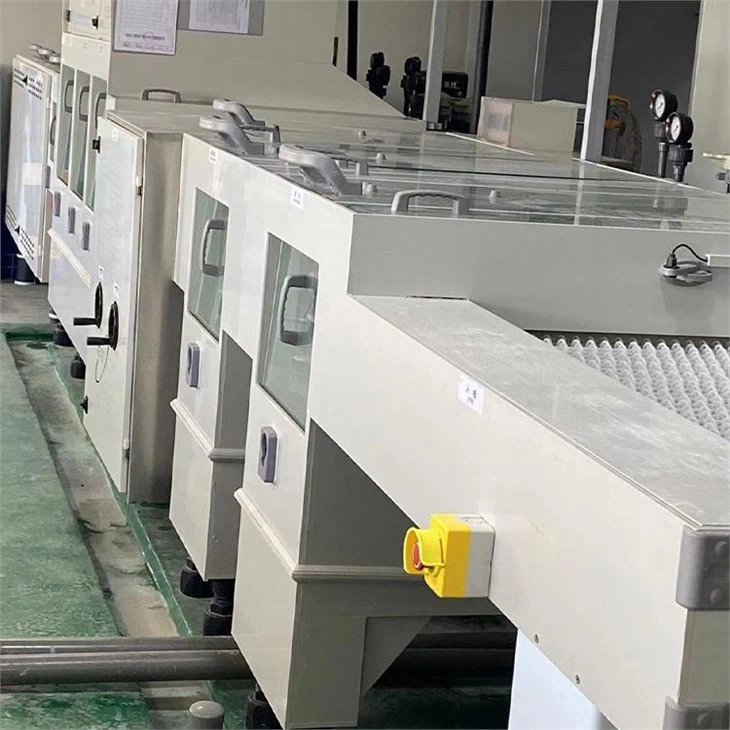
Bente Circuit has the most advanced full set of automated high-precision production and testing equipment in the industry, to achieve self-produced one-stop service. The company continues to introduce high precision production equipment, CCD drilling precision engraving machine, online AOI wire detection, automatic coating, tunnel oven, sandblasting board, super coarse horizontal line, thermoelectric separation vacuum press, LED automatic exposure machine, automatic adding system vacuum etching horizontal line, computer machine, automatic text printer, laser cutting machine, automatic hydraulic unmanned punch, On-line high pressure testing machine, to achieve efficient and automated production process.

Relevant certifications of our company
It has obtained ISO9001:2015(certification No.: 06922Q17993R1) quality management system certification, SGS certification, American and European UL certification (UL No.: E507367)

Bente Vision:
To become a characteristic leader in the circuit board industry.
Hot Tags: double side copper core pcb, China double side copper core pcb manufacturers, suppliers, factory


